
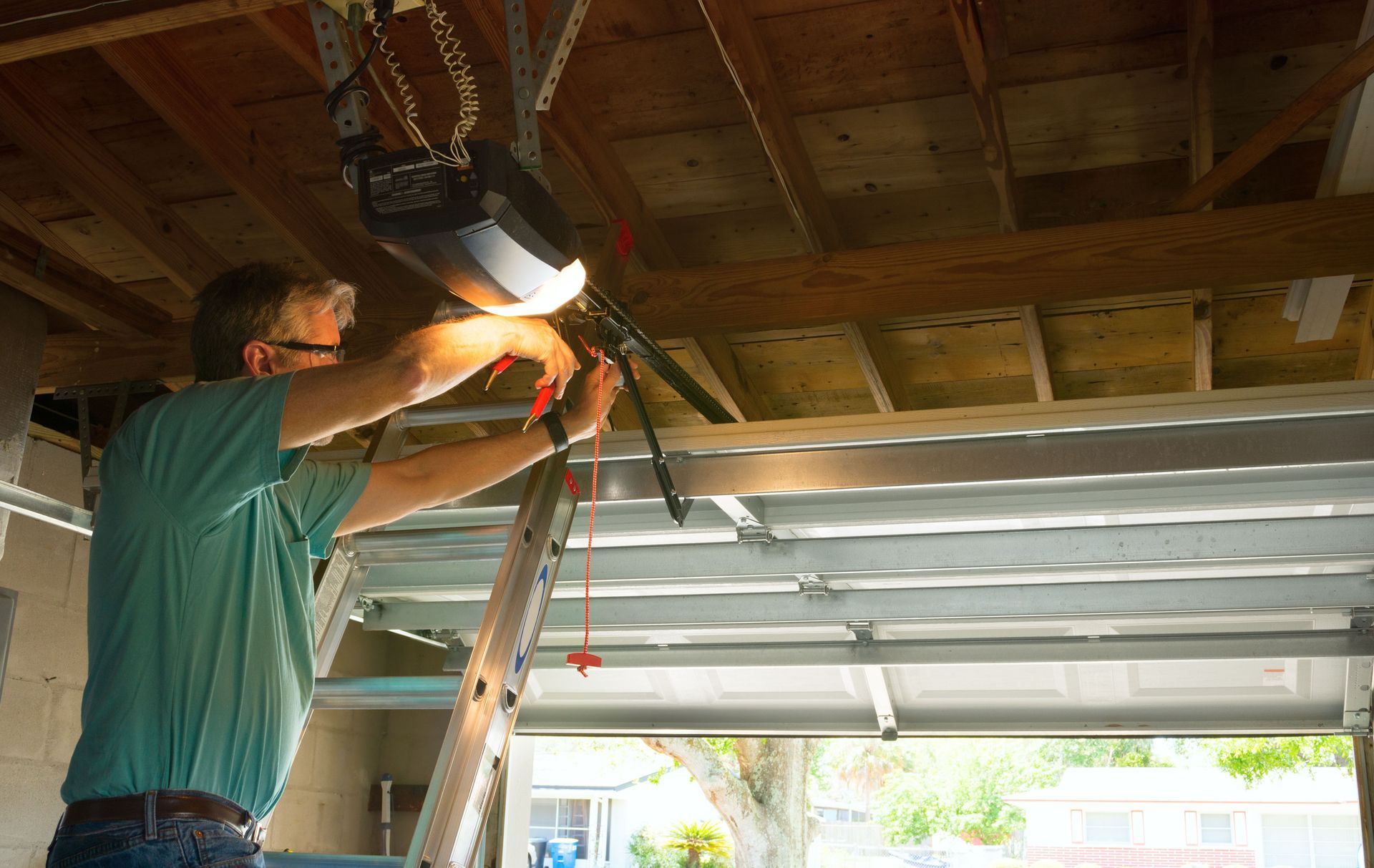
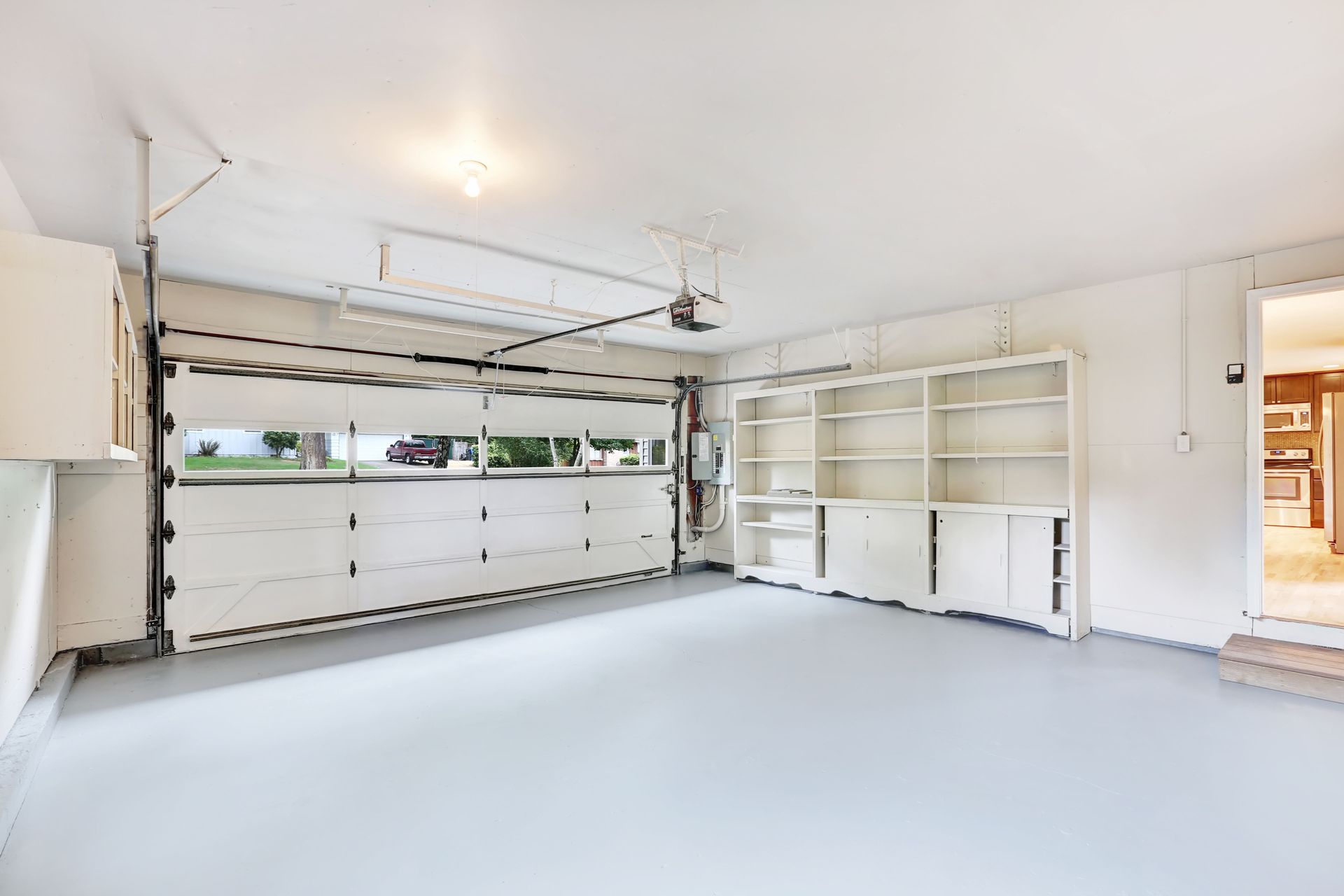
Your garage door is one of the largest moving components of your home, and its springs play an essential role in keeping it operating safely. Whether you're installing a new garage door or replacing worn components, understanding the differences between torsion and extension springs can help you make an informed decision. At Mascolo Overhead Doors & Maintenance LLC, we understand the importance of dependable garage door operation. The right spring system supports smooth movement, reduces strain on your garage opener, and helps maintain reliable performance. Let's explore how these spring types compare in durability, cost, and maintenance. Understanding Torsion Springs How Torsion Springs Work Torsion springs are typically installed horizontally above the garage door opening. They operate by twisting and storing mechanical energy as the door closes. When the door opens, this energy helps counterbalance its weight. According to This Old House, there are two main types of garage door springs: extension springs and torsion springs. Although both serve the same purpose, their designs differ significantly. Torsion springs distribute lifting force through a shaft and cable system. This arrangement helps maintain controlled movement and consistent balance, reducing stress on the garage opener and other components. How Torsion Springs Are Installed Installing torsion springs requires specialized equipment, accurate measurements, and professional experience. Technicians must select springs that match the garage door's weight and operating requirements. Proper tension adjustment is important because these springs store substantial mechanical energy. Incorrect installation can create dangerous conditions, damage equipment, or compromise the door's balance. At Mascolo Overhead Doors & Maintenance LLC, we emphasize professional installation to support dependable operation. Our approach focuses on selecting compatible components and ensuring the spring system works correctly. How Long Torsion Springs Last Torsion springs are commonly manufactured from durable steel designed to withstand repeated opening and closing cycles. Many standard residential torsion springs are rated for approximately 10,000 cycles, although higher-cycle options are available. Their lifespan depends on spring quality, door weight, environmental conditions, and usage. A frequently used garage door may require replacement sooner than one operated occasionally. Professional maintenance can identify corrosion and developing balance problems. Addressing these concerns may protect the garage opener from additional mechanical strain. What Makes Torsion Springs Beneficial One primary advantage of torsion springs is their ability to provide controlled, balanced movement. Their design makes them suitable for heavier residential doors and systems experiencing frequent use. Torsion springs may also deliver quieter operation when paired with properly maintained hardware. Their durability makes them attractive for homeowners seeking long-term performance. However, torsion systems generally involve higher initial installation costs than extension systems. They also require sufficient space above the garage door opening. Understanding Extension Springs How Extension Springs Work Extension springs operate by stretching and contracting as the garage door moves. They are generally positioned along the horizontal tracks on either side of the door. When the door closes, the springs extend and store energy. As the door opens, they contract, releasing energy that helps counterbalance the door's weight. Unlike torsion springs, which transfer force through a rotating shaft, extension springs use a pulling mechanism. Both systems can provide dependable operation when correctly maintained. However, extension springs require careful balancing. If one spring becomes damaged or loses tension, the resulting imbalance can strain the garage opener and surrounding hardware. How Extension Springs Are Installed Extension spring systems often have lower installation costs because their mechanical arrangement is comparatively straightforward. Nevertheless, professional installation remains essential. Technicians must select springs with appropriate lifting capacities and ensure both sides operate together. Safety cables are important because they help contain a spring if it breaks. Improper installation can cause uneven movement, damaged tracks, or dangerous component failures. Although extension springs may appear less complicated, their stored energy creates significant safety concerns. Professional installation ensures the system receives appropriate adjustments and its safety components are correctly positioned. How Long Extension Springs Last Extension springs are manufactured from steel and designed for repeated movement. Their expected lifespan varies according to spring quality, cycle rating, environmental exposure, and maintenance. Many standard extension springs are rated for approximately 10,000 cycles, although specifications differ between manufacturers. Homeowners should compare product ratings rather than assume one spring type always lasts longer. Extension systems may require additional attention to balance and component wear. Because springs operate along opposite sides, differences in tension can affect movement. Professional inspections can identify deterioration before it causes extensive problems. Maintaining proper balance also helps protect the garage opener from unnecessary wear. What Makes Extension Springs Beneficial Extension springs are appealing because of their affordability and compatibility with certain residential garage configurations. They can provide dependable lifting assistance for appropriately sized doors. Their placement alongside the horizontal tracks may make them suitable for garages where limited headroom restricts torsion spring installation. However, extension systems can produce more noise when components become worn or improperly adjusted. They also depend on correctly installed safety cables and consistent tension. For homeowners prioritizing lower initial costs, extension springs may be practical. Professional recommendations should still account for safety and compatibility. Comparing Garage Door Spring Performance Comparing Operating Efficiency Both torsion and extension springs reduce the force needed to raise a garage door. Their primary purpose is counterbalancing the door's weight rather than directly powering its movement. A properly balanced spring system allows the garage opener to move the door without carrying its full weight. This reduces mechanical strain and supports reliable operation. Torsion springs provide controlled force distribution, while extension springs rely on coordinated tension along both sides. However, spring type alone does not determine electricity consumption. Door weight, system balance, opener design, and mechanical condition also influence performance. Homeowners should prioritize correct spring sizing and professional adjustment instead of assuming changing spring types will produce substantial energy savings. Comparing Operating Speed Garage door opening speed depends on the opener's specifications, door weight, spring balance, and mechanical condition. Torsion springs can support smooth movement because of their centralized force distribution. Extension springs can also operate smoothly when properly balanced. Neither spring type automatically guarantees faster operation. A garage opener generally controls powered movement speed within its designed limits. If your garage door moves unevenly, hesitates, or operates slowly, professional inspection can identify the problem. Spring deterioration, damaged rollers, track alignment issues, and opener malfunctions can contribute to inconsistent performance. Comparing Maintenance Requirements Both spring systems benefit from professional maintenance. Technicians inspect components for corrosion, wear, improper tension, and developing mechanical problems. Torsion springs may offer advantages in controlled movement and high-use applications. Extension springs require attention to balanced operation and safety cables. Maintenance needs depend on environmental exposure and usage frequency. Moisture, temperature fluctuations, and repeated operation can affect components. Homeowners should never attempt to adjust spring tension or replace damaged springs without professional training. These tasks involve significant stored energy and can cause serious injuries. Scheduling professional service helps identify problems while supporting continued reliability. Choosing the Right Garage Door Springs Consider Your Garage Door's Weight Garage door weight is among the most important considerations when selecting replacement springs. Heavier doors require appropriately rated components capable of providing sufficient counterbalancing force. Insulated doors, oversized doors, and custom designs may have different requirements than standard residential models. Professional technicians can evaluate the door's specifications and recommend suitable spring assemblies. Selecting components based on price alone can compromise performance. Consider Your Garage Door's Usage Daily operating frequency influences spring selection. A garage door serving as the household's primary entrance may complete several cycles every day. For frequently used doors, higher-cycle spring options may provide long-term value. Homeowners should also consider the condition of existing hardware. A professional evaluation can determine whether replacing springs alone is appropriate or additional components need attention. Consider Your Garage Door's Safety Safety should remain the highest priority when choosing between torsion and extension springs. Both systems store substantial energy and require professional handling. Unusual noises, visible spring separation, crooked movement, or difficulty opening the door may indicate mechanical problems. Homeowners should avoid operating a door with a suspected broken spring and arrange professional service. At Mascolo Overhead Doors & Maintenance LLC, we help homeowners understand their garage door systems and make informed maintenance decisions. Whether you're considering spring replacement or experiencing problems with your garage opener, our team is here to help. Contact Mascolo Overhead Doors & Maintenance LLC to discuss your garage door concerns and learn more about professional spring inspection, maintenance, and replacement services.
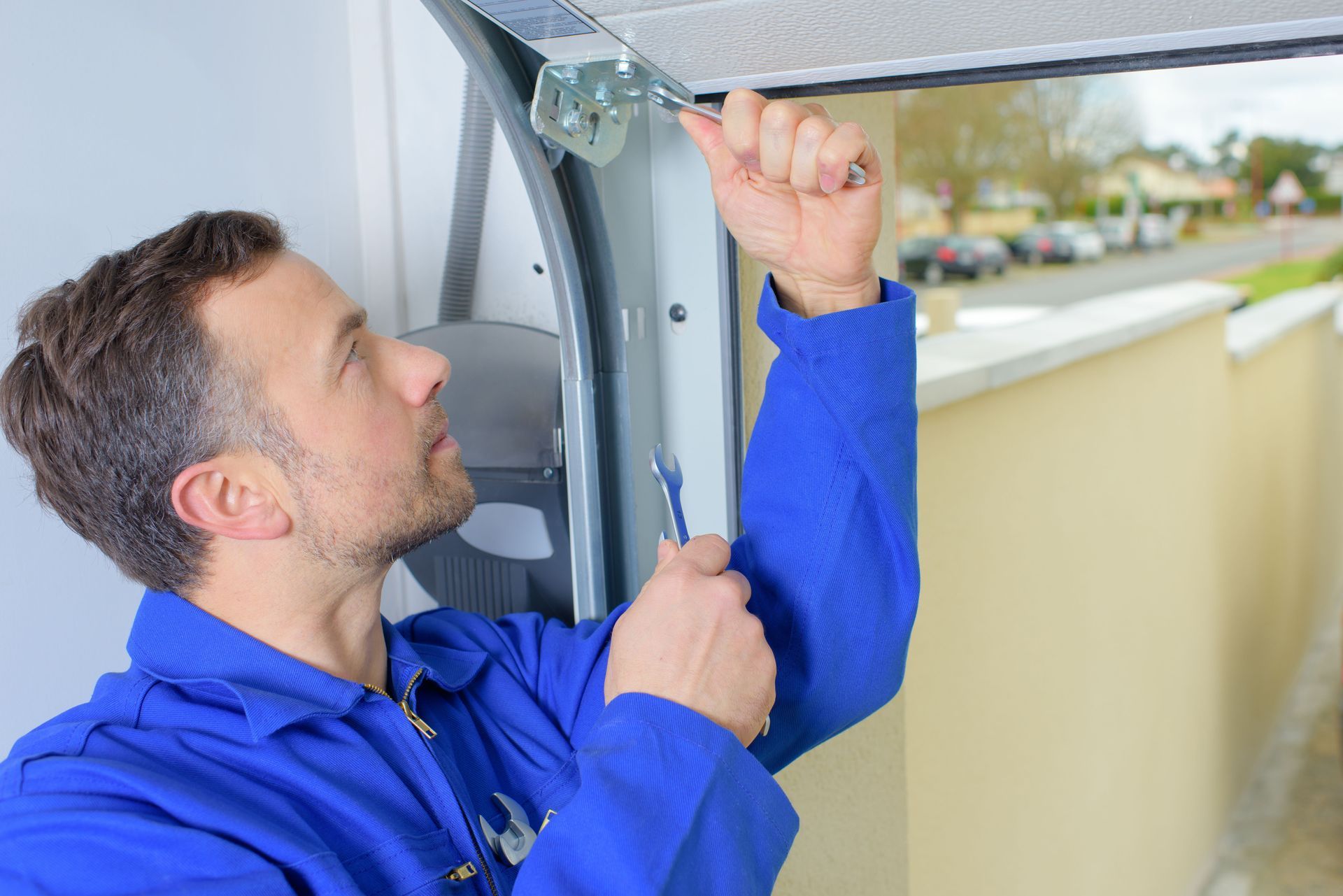
Learn how a professional garage door company improves home security, strengthens access points, and helps protect your property from unwanted intruders.
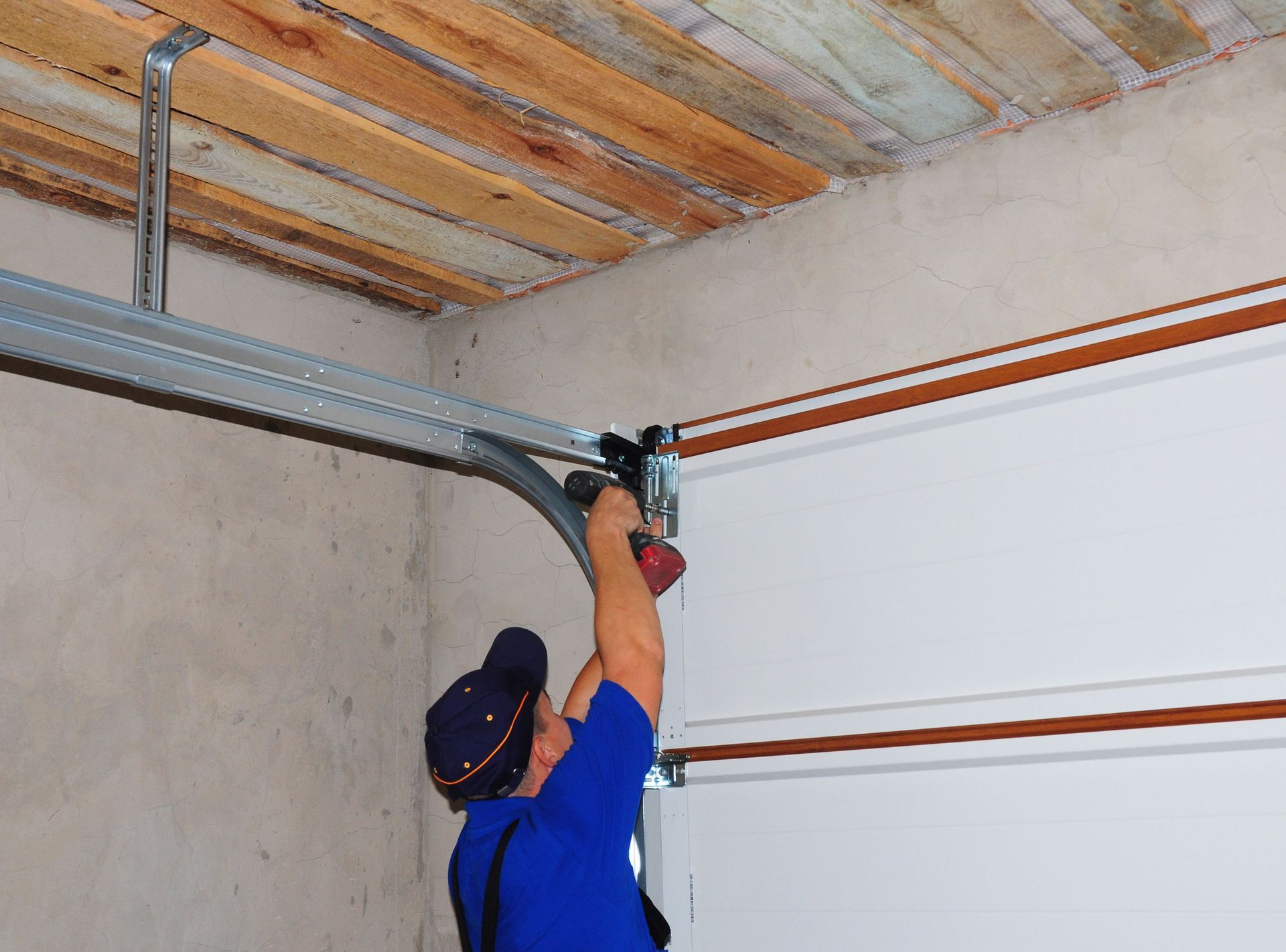
Do you schedule emergency garage door repair when needed? Keep reading to discover the importance of timely garage door repairs.

