May 29, 2026
The entrance to your home serves as a primary gateway, providing both security and convenience for your daily transitions. Among the various components that facilitate this seamless movement, the mechanical heart of the system often goes unnoticed until it begins to falter. Maintaining this vital piece of machinery requires a proactive approach, ensuring that the hardware remains functional for many years. When homeowners neglect the subtle signs of wear and tear, they often face sudden failures that disrupt their schedules and compromise home safety. By understanding the foundational needs of your system, you can extend its lifespan and avoid the frustration of premature replacements. Saving your equipment starts with a commitment to consistent observation and minor adjustments that prevent catastrophic breakdowns.
A reliable garage opener acts as the silent workhorse of the modern household. It bears the brunt of heavy lifting, managing the substantial weight of the panels several times a day. This repetitive motion creates friction and vibration, both of which are natural enemies of longevity. Protecting this investment is not merely about addressing problems as they arise; it is about creating an environment where the motor and drive system can operate with minimal resistance. The following sections outline the essential strategies for preserving your mechanism and ensuring that every exit and entry remains effortless.
Observe The System Performance
The first step in preservation is developing a keen eye for how your system behaves during a standard cycle. A healthy unit should operate with a consistent rhythm and a predictable level of noise. If you begin to notice jerky movements or hear grinding sounds that were not present before, these are indicators that the internal gears or the external drive components are struggling. Listening to the motor can tell you a great deal about its health; a straining sound often suggests that the balance of the door is off, forcing the motor to work harder than intended. Regular observation allows you to catch these minor shifts before they evolve into complete mechanical failures.
Paying attention to the speed of operation is equally important. While these systems are not designed for high velocity, a significant slowdown in the opening or closing process could point toward a lack of lubrication or a failing capacitor. By keeping a mental log of how the unit functions when it is in peak condition, you become better equipped to spot the anomalies that signal a need for intervention. This vigilance is the most cost-effective tool in your maintenance arsenal, requiring nothing more than your time and attention during your daily commute.
Inspect The Hardware Connections
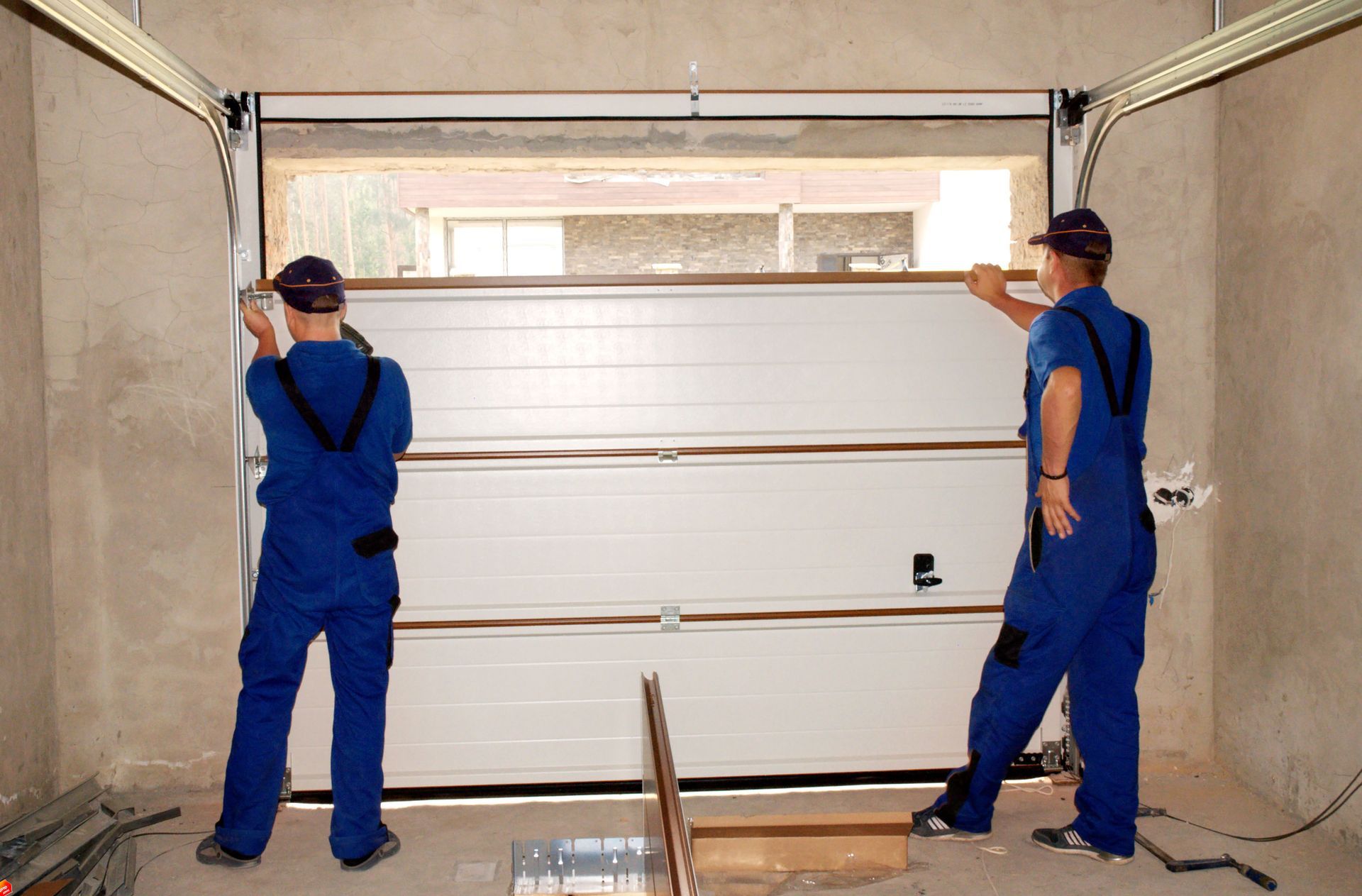
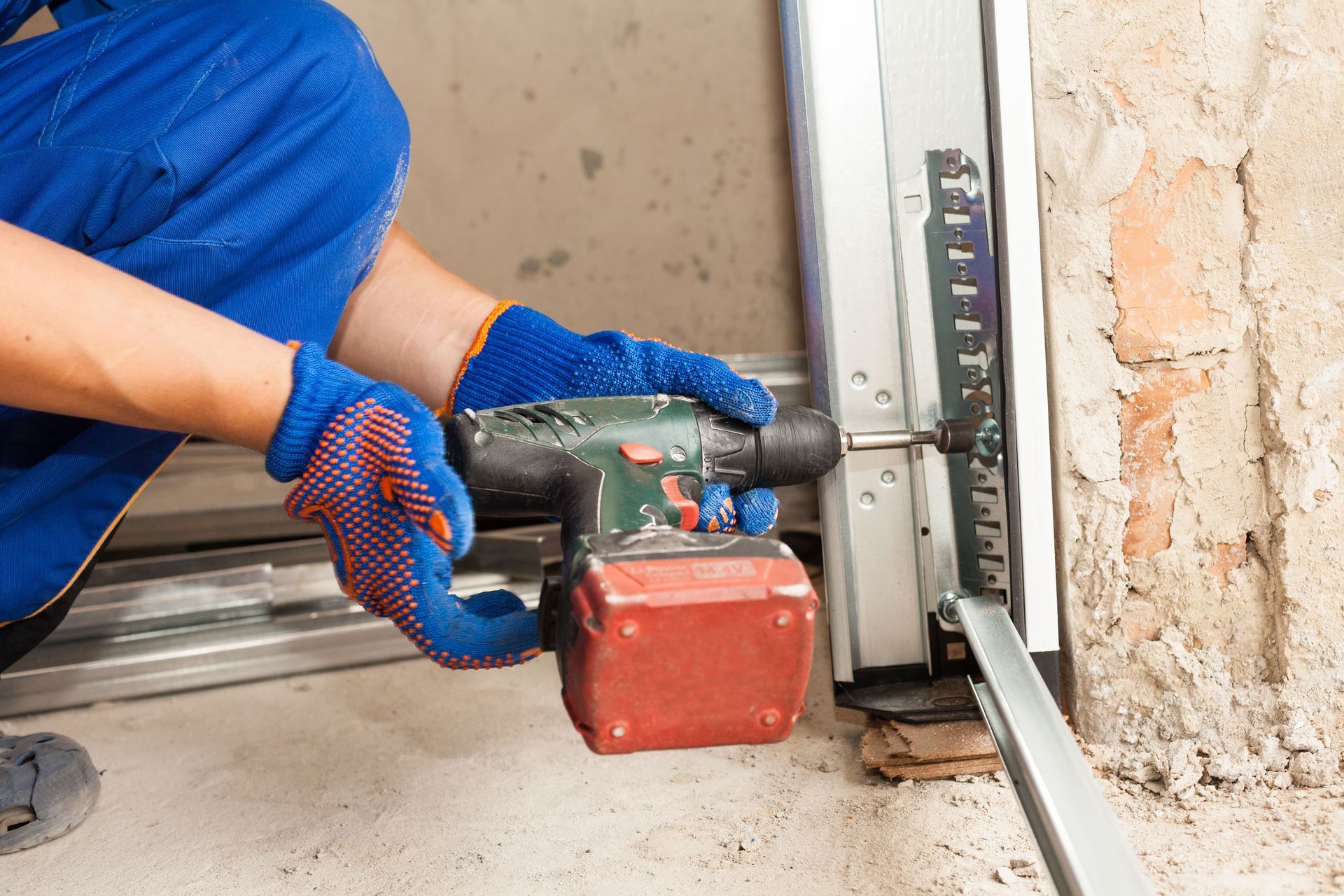
Over time, the vibrations generated by the movement of the door can loosen the various nuts, bolts, and brackets that keep the system secure. A loose connection might seem insignificant, but it introduces play into the mechanism, leading to misalignment and increased wear on the garage opener drive assembly. Periodically checking the tightness of the hardware ensures that the force exerted by the motor is directed efficiently into moving the door rather than shaking the support structure. You should examine the tracks, the mounting brackets, and the motor housing to ensure everything remains flush and stable.
A stable system is a quiet system. When the tracks are properly aligned and the mounting points are firm, the amount of stress placed on the internal motor gears is significantly reduced. Homeowners should look for signs of rust or bending in the metal components, as these physical defects can cause the rollers to bind, which in turn puts immense pressure on the lifting mechanism. Ensuring that the structural integrity of the entire assembly is sound provides a solid foundation for the motor to perform its duties without unnecessary strain.
Lubricate The Moving Parts
Friction is perhaps the greatest contributor to the degradation of mechanical systems. To save your equipment, you must ensure that all points of contact are properly greased. This includes the rollers, the hinges, and the primary drive chain or screw. Using a high-quality silicone or lithium-based spray can make a world of difference in how smoothly the door glides. Without proper lubrication, the metal-on-metal contact creates heat and wear, eventually leading to snapped cables or stripped gears within the motor unit itself. A smooth-running door requires far less torque from the garage opener, thereby preserving the sensitive electronic and mechanical components inside the head unit.
Balance The Door Weight
An imbalanced door is a leading cause of premature motor failure. If the springs are not providing the correct amount of counterforce, the motor must lift much more weight than it was designed to handle. You can test this by disconnecting the garage opener and attempting to lift the door manually. A perfectly balanced door should stay in place when opened halfway and should feel relatively light throughout its travel. If the door slams shut or is difficult to lift, the springs require adjustment. This task should often be handled by professionals due to the high tension involved, but the diagnostic step is something every homeowner can perform.
According to Spherical Insights, the global smart garage door opener market was valued at $2.6 billion in 2024 and is projected to grow by nearly 11% annually through 2035 as homeowners demand more remote access and security features. While these modern units offer advanced monitoring that can sometimes alert you to imbalances, they are still subject to the same physical laws as older models. A smart system attached to a poorly balanced door will still burn out its motor. Ensuring the physical balance of the door protects the sophisticated electronics of your garage opener, allowing those new security and remote features to function reliably over the long term.
Test The Reversal Logic
Modern systems are equipped with a force-sensing mechanism that reverses the door if it encounters an object. Testing this feature ensures that the motor is calibrated correctly. If the force setting is too high, the motor may push against an obstruction with too much power before reversing, which can damage the internal drive gears or the rail. Conversely, if the force is too low, the door may reverse on its own due to wind or slight friction in the tracks. Striking the right balance is essential for protecting the internal components from being overworked during a standard closing cycle.
To perform this test, place a solid object on the floor in the path of the door. When the door makes contact, it should immediately reverse and return to the open position. If it continues to push or stalls out, the settings need adjustment. Regularly verifying this safety feature ensures that the motor is never forced into a "stalled" state, which is one of the quickest ways to overheat the windings and ruin the unit. Protecting the motor from high-resistance events is a fundamental part of saving the system from a premature trip to the landfill.
In conclusion, your overhead system is a complex assembly of moving parts that requires harmony to function correctly. From the balance of the springs to the cleanliness of the sensors, every detail plays a role in the health of the primary motor. By respecting the limits of the machinery and providing it with the necessary care, you can enjoy a quiet, safe, and efficient home entrance for a long time to come. Remember that a proactive approach is always more effective than a reactive one when it comes to home maintenance.
We at Mascolo Overhead Doors & Maintenance LLC are dedicated to helping you maintain the safety and efficiency of your home, providing the expert care and precision your system deserves.